


Interpretive planning
Content structure, visitor objectives, narrative sequence, audience needs and the relationship between collections and interpretation.
United States · Museum and exhibition projects
Proyecto Museo provides museum exhibition design, exhibit planning, interpretive design, exhibition production coordination, museum lighting and cultural technology for institutional projects in the United States. Proyecto Museo is based in San Andrés Cholula, Puebla, Mexico; when a U.S. project includes regulated architectural, engineering, permitting or other licensed scopes, those responsibilities are performed or coordinated with appropriately licensed local professionals where required.
Scope
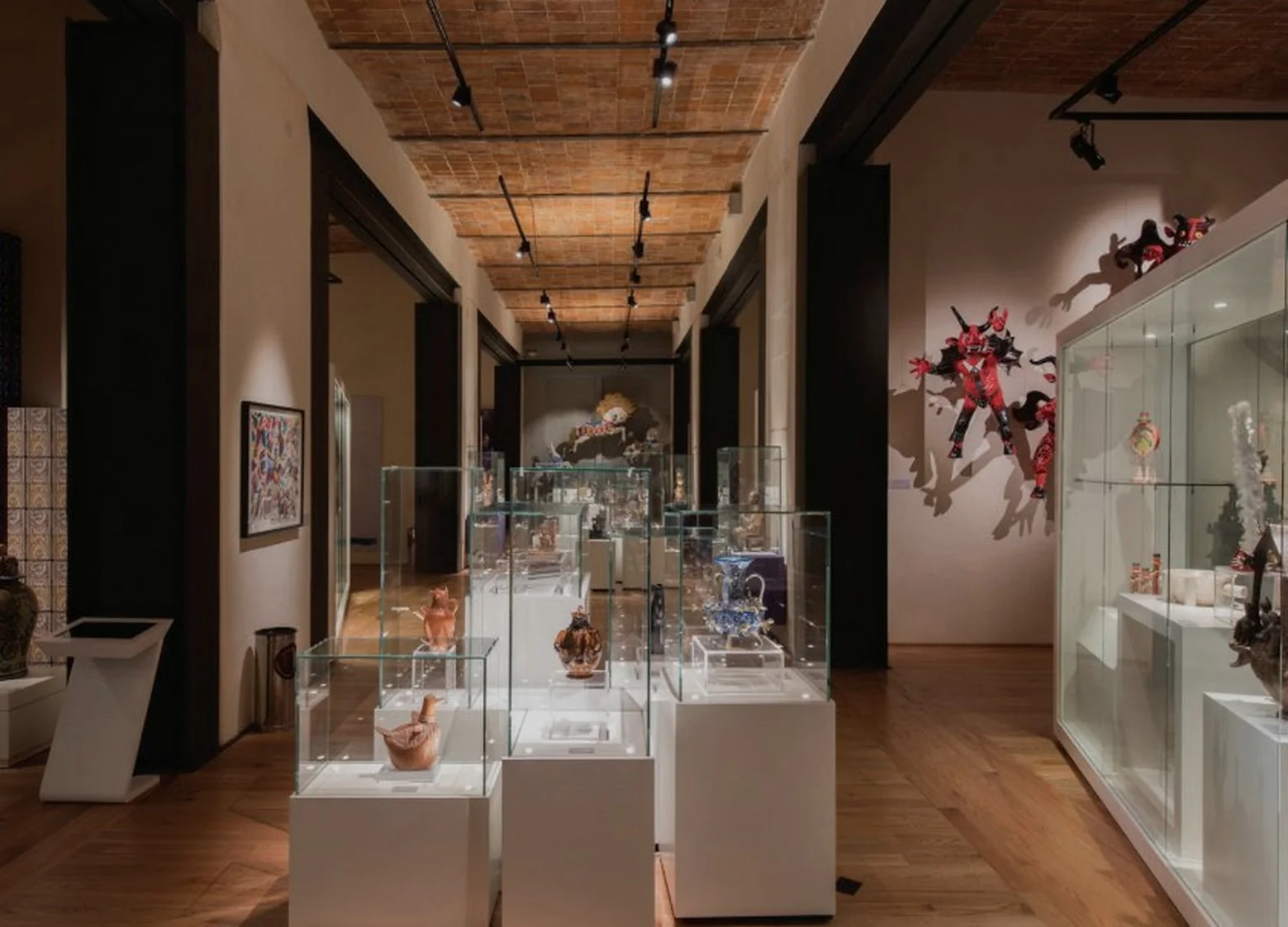
“Museum design” can describe several different professional scopes: institutional planning, architecture, exhibition design, interpretive planning, visitor experience, graphics, lighting, media, fabrication and installation. Proyecto Museo focuses on museum exhibition design and the interdisciplinary scopes that turn collections, research and curatorial objectives into a physical visitor experience.
For a permanent museum or temporary exhibition, the work may include narrative structure, zoning, visitor circulation, sightlines, display systems, exhibition furniture, graphics, lighting, audiovisual media, interactive elements, conservation coordination, accessibility criteria, technical documentation and production coordination.
Services
Scopes can be commissioned separately or coordinated as an integrated museum and exhibition-design process.
Content structure, visitor objectives, narrative sequence, audience needs and the relationship between collections and interpretation.
Zoning, circulation, gallery planning, sightlines, display systems, furniture, graphics, lighting and spatial hierarchy.
Buildable drawings, details, specifications, display-case and mount criteria, graphic locations and coordinated technical information.
Coordination with fabricators, graphic producers, audiovisual teams, installers and other project-specific specialists.
Visual hierarchy, conservation criteria, luminaire selection, aiming strategy and coordination with the exhibition environment.
Audio guides, video, projection, sound, QR systems, interactive interfaces and digital interpretation integrated with the exhibition narrative.
Terminology
A museographer works on the practical and spatial translation of museum content into an exhibition environment: visitor circulation, display systems, graphics, lighting, media, conservation requirements and installation coordination.
The term museographer is used internationally, but U.S. institutions more commonly use titles such as museum exhibition designer, museum exhibit designer, exhibition designer or exhibit designer. An institution searching for a museographer in the USA may therefore find the same or closely related professional function under those titles.
Terminology
Both expressions are used in the United States. “Exhibit design” is common in professional practice, while “exhibition design” is also widely used by museums, universities and cultural institutions. Proyecto Museo uses both terms where they clarify the scope, while keeping the project focus on content, collections, visitor experience and buildable exhibition solutions.
The service is distinct from building architecture, although exhibition design often requires close coordination with architecture, engineering, conservation, accessibility, life-safety and building systems.
Project model
The delivery model is defined around the institution, venue, collection, schedule, procurement structure and applicable local requirements.
01
Confirm the venue, collection, audiences, opening date, budget framework, procurement requirements and the disciplines already retained by the institution.
02
Develop interpretive and exhibition-design information while coordinating conservation, architecture, engineering, media, fabrication and operations according to the contracted scope.
03
Project documentation and design direction can be coordinated with appropriately licensed professionals, fabricators, installers and specialist consultants selected for the jurisdiction and project.
Evidence
Proyecto Museo’s portfolio includes permanent museums, international loans, temporary exhibitions and interpretive systems involving institutions and collections beyond Mexico.
United States connection
International three-dimensional collections experience documented in Proyecto Museo’s international portfolio.
View projectPermanent museum
Museum exhibition design project developed from 2016; BID18 finalist in integrated/cross-disciplinary design.
View projectInternational exhibition
Temporary exhibition involving works on paper and international collection coordination.
View projectYes. Proyecto Museo can provide museum exhibition design, interpretive, production-coordination, lighting and cultural-technology scopes for U.S. institutional projects. Regulated local professional responsibilities are defined by project and handled with appropriately licensed professionals where required.
Depending on scope, it can include interpretive structure, zoning, visitor circulation, display systems, exhibition furniture, graphics, lighting, media, technical documentation, conservation coordination, accessibility criteria and production support.
Yes. Design direction and documentation can be coordinated with local fabricators, installers, consultants and licensed professionals according to the procurement model and jurisdiction.
Exhibition design frequently coordinates with architecture, but the professional responsibilities are not identical. Building architecture, engineering, permitting and other regulated scopes remain subject to the applicable U.S. jurisdiction and professional licensing requirements.
Proyecto Museo
Proyecto Museo combines museum exhibition design, exhibition production, lighting and cultural technology within project-specific interdisciplinary teams.
Project conversation
We can review the venue, collection, schedule, procurement model and required professional scopes before defining a proposal.
Discuss the project