


Concept and museography
Narrative, visitor circulation, gallery design, display cases, supports, furniture, graphics, lighting and media.
Design and production
A temporary exhibition is conceived to remain open for a defined period. It may involve research, curatorial work, museography, loans, conservation, lighting, graphics, audiovisual media, fabrication, transport, installation and dismantling. Proyecto Museo designs, produces and installs temporary exhibitions in Mexico, from concept and museography through opening.
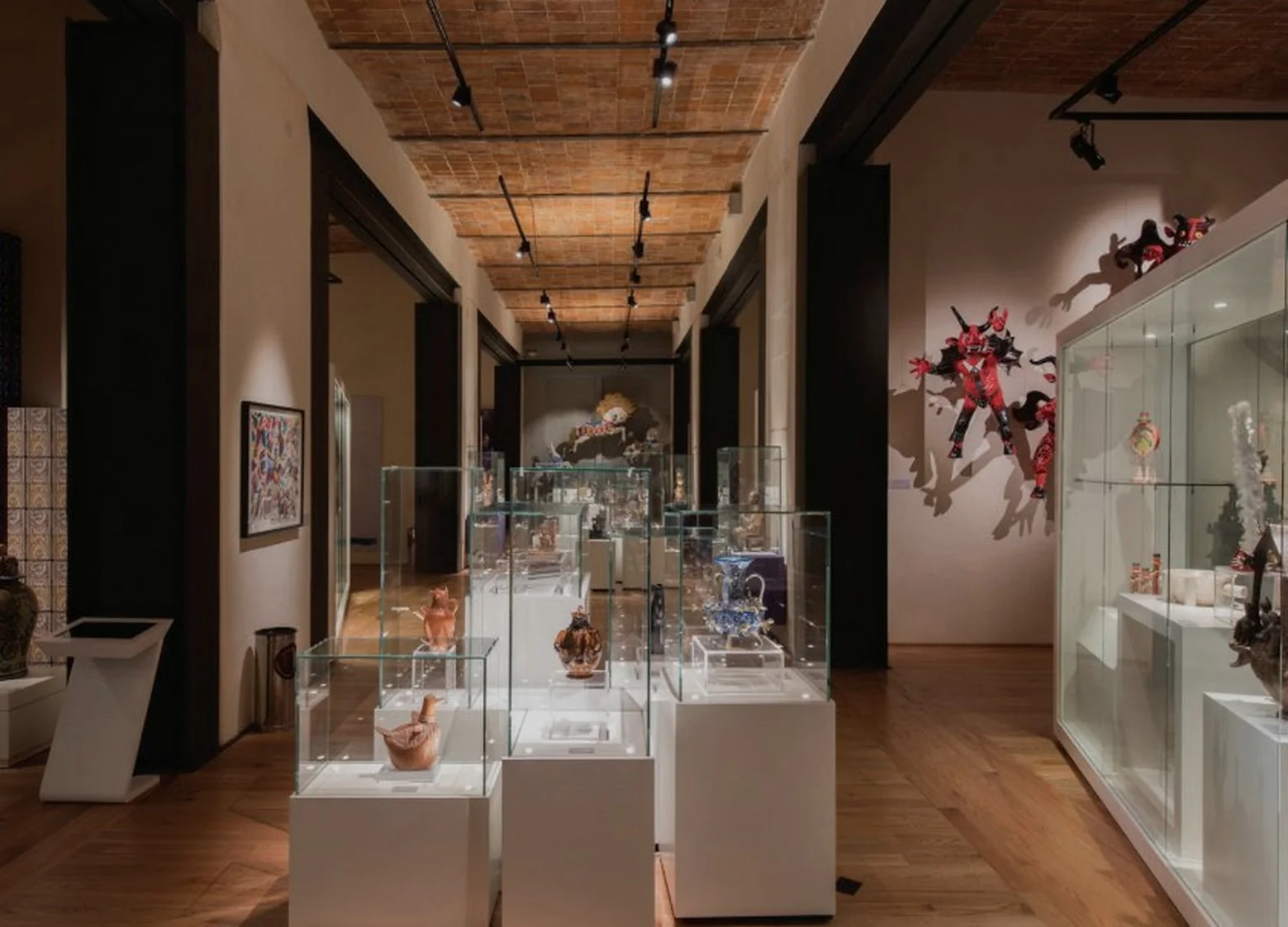
A temporary exhibition presents artworks, objects, documents, images or content for a limited period and with a specific curatorial or interpretive purpose. Unlike a permanent exhibition, its schedule affects loans, insurance, conservation, production, logistics, installation and dismantling from the outset.
Proyecto Museo provides integrated temporary exhibition design and production. Services may be commissioned by stage or as complete coordination, depending on venue, collection, lenders, schedule and required scope.
Scope
Not every exhibition requires the same components.
Narrative, visitor circulation, gallery design, display cases, supports, furniture, graphics, lighting and media.
Fabrication, printing, packing, transport, insurance, site coordination, installation and mounting.
Testing, lighting focus, media commissioning, documentation, maintenance and final removal.
The process begins with purpose, venue, audiences, collection, schedule and budget. Content is then structured, visitor circulation defined, display systems and interpretive resources developed, and conservation, lighting, graphics, technology, fabrication and logistics coordinated. Documentation must allow the exhibition to be produced, installed, tested and dismantled in a controlled manner.
Museum exhibition design ↗ · Exhibition production and installation ↗
Experience
The studio’s experience includes national and international exhibitions, heritage, art, photography, installations and traveling projects.
See national exhibitions and international exhibitions, as well as cases such as Rembrandt: Lo divino y lo humano and Cristóbal de Villalpando: Esplendor barroco de Puebla.